The workplace is undergoing one of the most significant transformations in decades. What were once static environments defined by steel, glass and desks are evolving into dynamic ecosystems that can sense, learn and respond to the people within them.
At the centre of this shift is the concept of the sentient workplace—an environment that goes beyond the efficiencies of a smart building to create a truly human-centred workplace experience.
While smart buildings focus on optimising building performance—reducing energy consumption or improving maintenance efficiency—the sentient workplace focuses on a bigger question: how can the workplace help people perform, collaborate and thrive?
From smart to sentient
Organisations have long invested in digital workplaces and connected office technologies. Collaboration platforms, integrated systems and building automation have all improved how work happens.
The sentient workplace takes this evolution further by integrating digital tools, physical environments and intelligent systems into a single ecosystem that continuously adapts to employees’ needs.
Rather than simply automating processes, it creates an environment that actively supports productivity, wellbeing and collaboration.
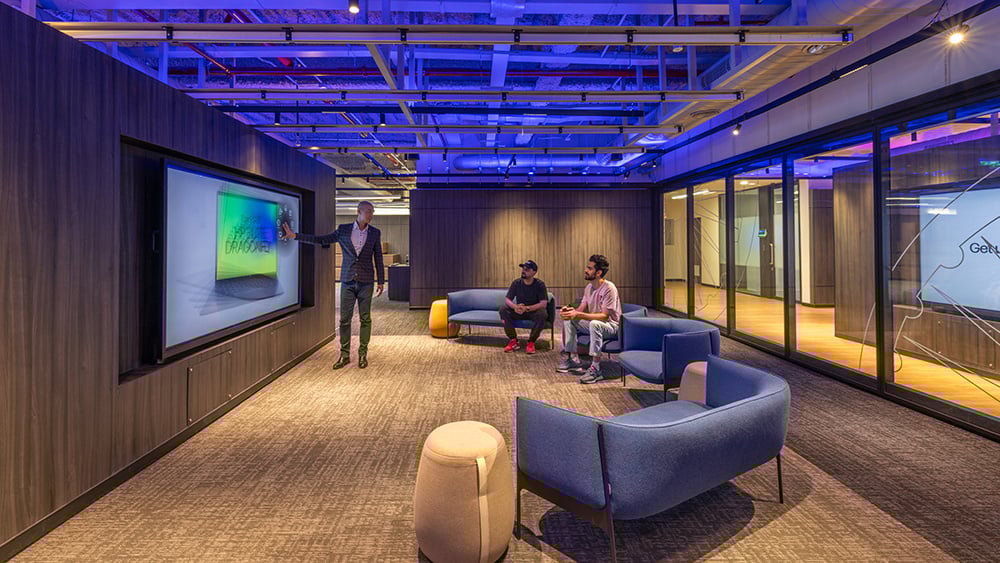
Award-winning HP project in Gurgaon
The technology behind it
A sentient workplace is powered by a layered technology ecosystem.
Sensors and IoT devices collect real-time data about the workplace—such as occupancy, air quality, lighting and temperature. Artificial intelligence then analyses this data to identify patterns and anticipate needs.
This allows workplaces to respond proactively. Meeting rooms can automatically adjust lighting and temperature before meetings begin, while predictive systems can identify maintenance issues before disruptions occur.
Employees can also personalise their workspace through mobile apps or digital interfaces, giving them greater control over their immediate environment.
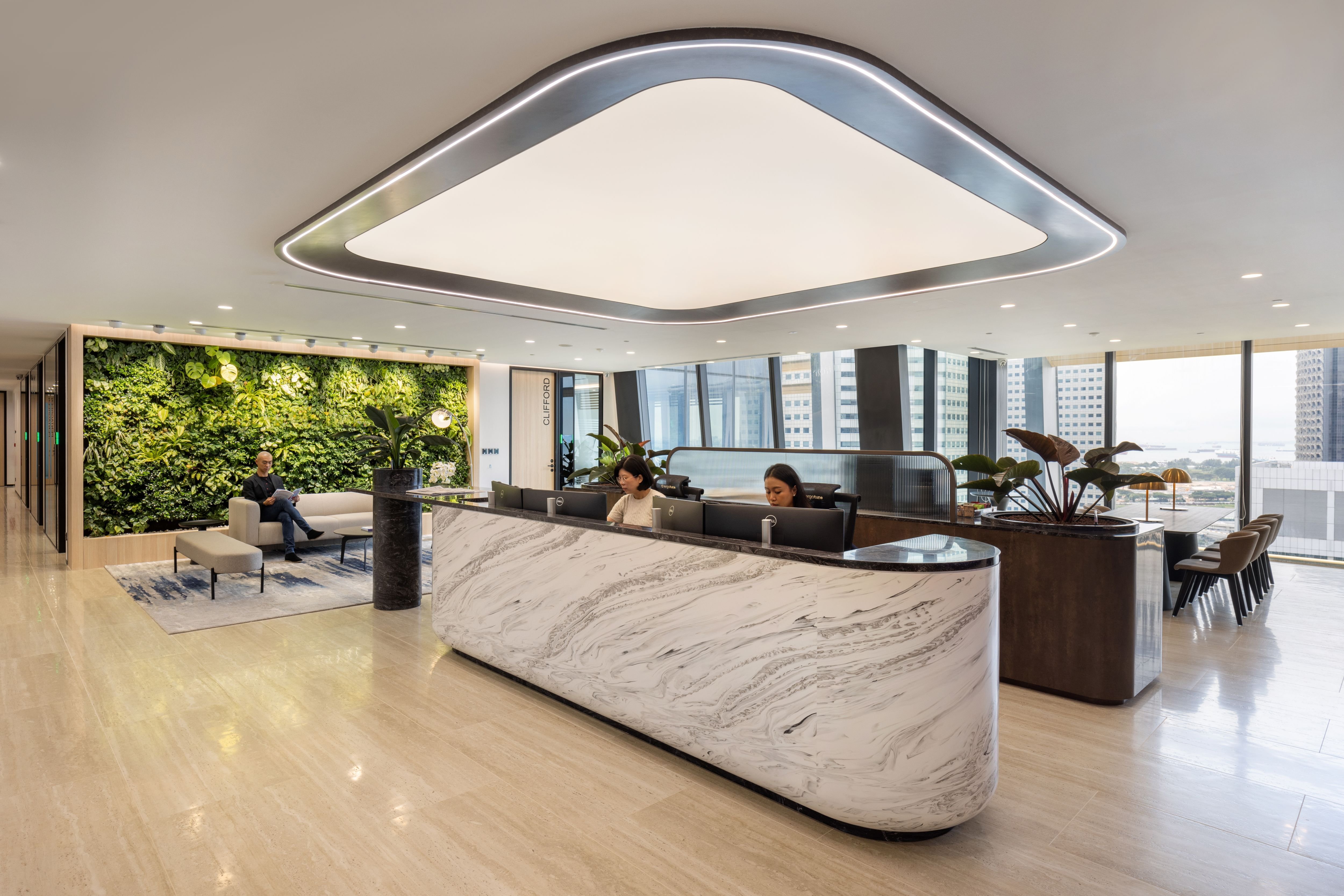 Smart lighting system of a Singapore-based financial institution
The value for organisations and employees
For organisations, the sentient workplace delivers measurable operational benefits. Predictive maintenance reduces downtime, while intelligent energy management improves efficiency and sustainability.
More importantly, workplace experience has become a key differentiator in attracting and retaining talent. A well-designed, responsive workplace signals that organisations value the wellbeing and productivity of their people.
For employees, the impact is felt through greater comfort, flexibility and ease of use. Frictionless experiences—from desk booking to environmental controls—allow people to focus on meaningful work rather than workplace logistics.
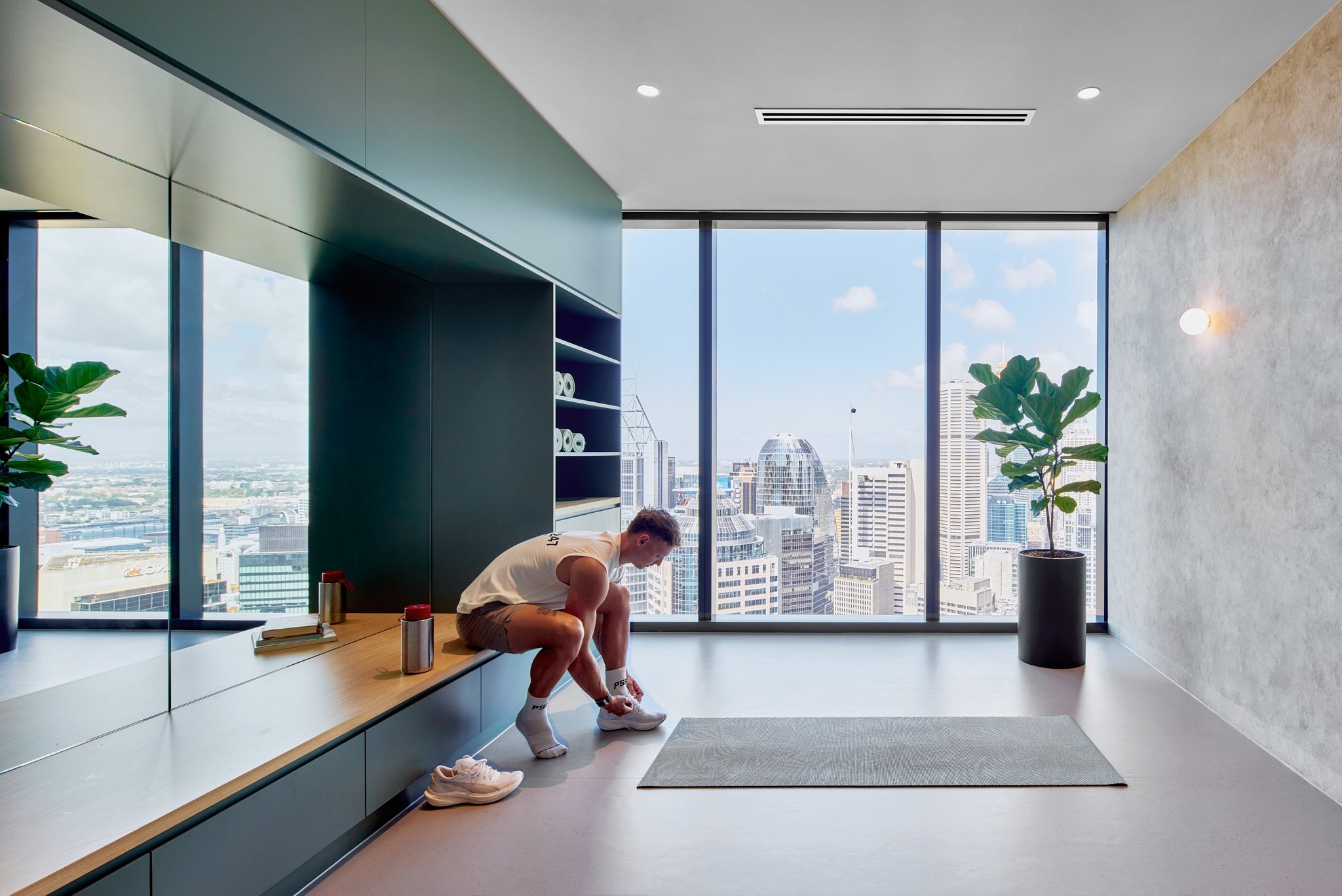 Wellness room at HPX Group in Australia
Designing workplaces for the future
The sentient workplace represents a shift in how organisations think about their physical environments. It transforms the workplace from a static asset into an adaptive platform that supports people and performance.
For companies designing the next generation of workplaces, the priority should not simply be adding technology. Instead, success lies in combining design, data and digital innovation to create environments that truly support the people who bring them to life every day.
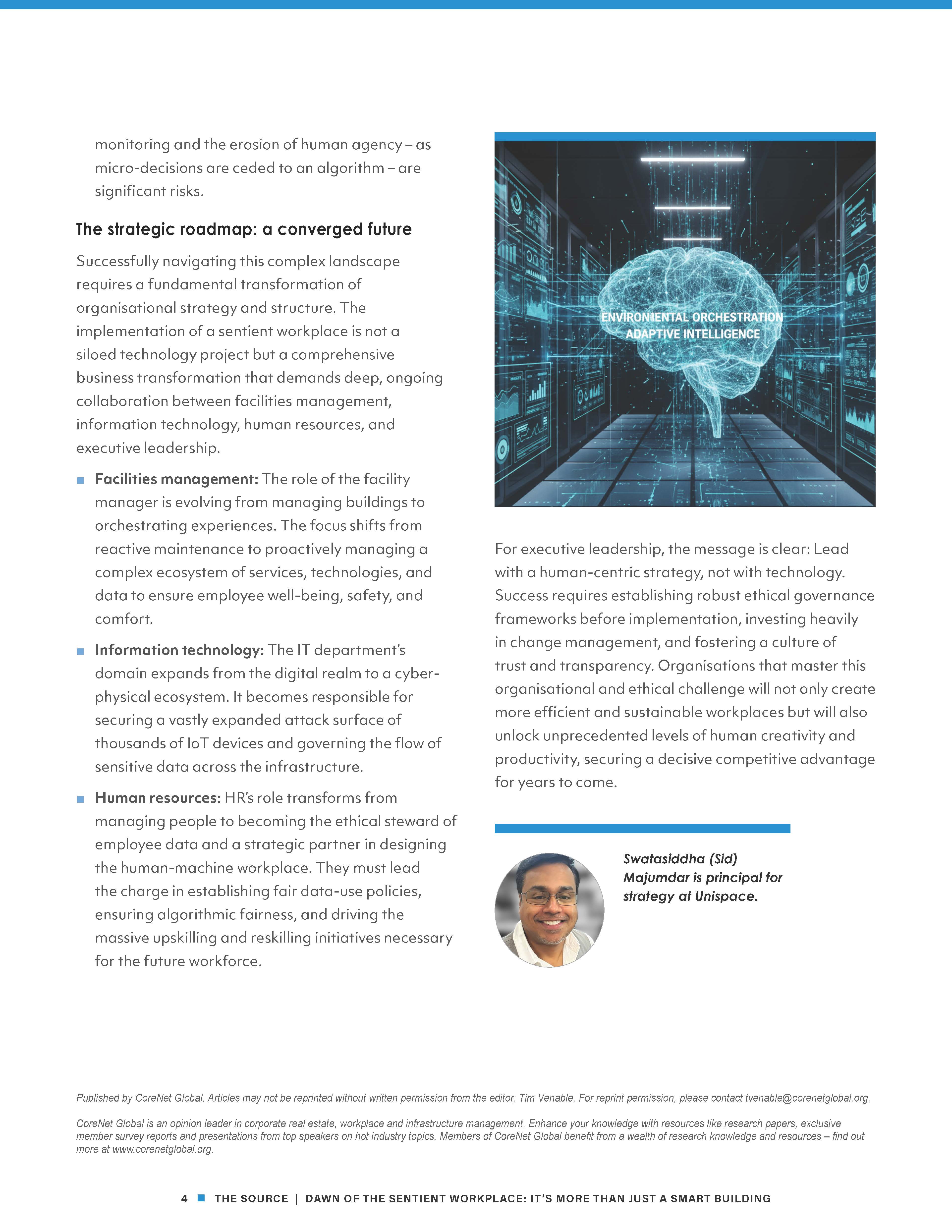
About Swatasiddha Majumdar, Principal, Strategy, India

Swatasiddha Majumdar is the Principal, Strategy at Unispace India, a global design and build firm that specializes in workplace strategy, design, project management, and construction. With over two decades of professional experience, Swatasiddha leads the strategic initiatives at Unispace, where he focuses on architecture, workplace strategy, and project integration management.
He holds a Bachelor of Architecture & Planning from the Indian Institute of Technology, Roorkee (1996-2001) & Postgraduate in Advanced Programme in Product Marketing from Indian Institute of Management, Calcutta.
Follow Swatasiddha Majumdar on LinkedIn.
-2.jpg?width=383&height=348&name=Conoco_Phillips_Unispace_Finbarr_Fallon_04%20(1)-2.jpg)