Singapore’s non-Grade-A spaces could offer a different path to workplace quality
Singapore’s office market continues to see a clear flight to quality. Demand for well-located, highly specified office space remains strong, while premium supply is increasingly constrained. In Q2 2026, Core CBD Grade A vacancy remained at a record low of 3.3%, while rents increased by 0.8% quarter on quarter to S$12.50 psf per month. This marked the sixth consecutive quarter of rental growth. CBRE also noted that Shaw Tower was the only major office completion in 2026, with no significant new supply expected through 2027.
As availability tightens, occupiers may need to look beyond traditional Grade A offices. Older commercial buildings, converted warehouses and B1 environments can offer greater scope for design intervention. Some also have qualities that are difficult to replicate in a conventional office tower, including character, volume, natural light and flexibility.
We still start with the fundamentals: location, accessibility, floorplate, infrastructure, planning parameters and economics. We then look at the characteristics that shape the employee experience, from natural light and architectural character to amenity and the potential to create a workplace that feels distinct to the organisation using it.
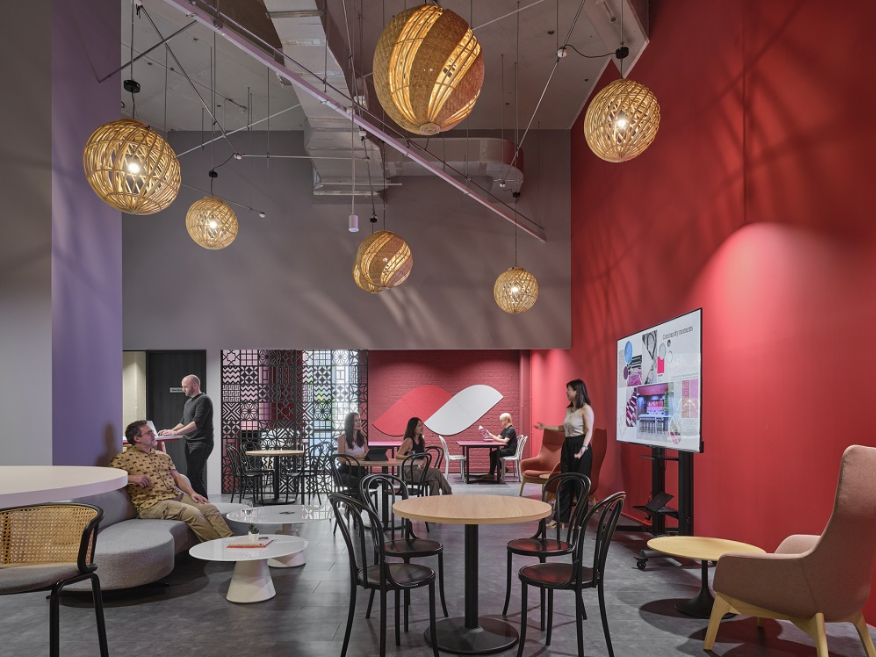 High ceilings and custom rattan accent lighting create a warmer arrival experience
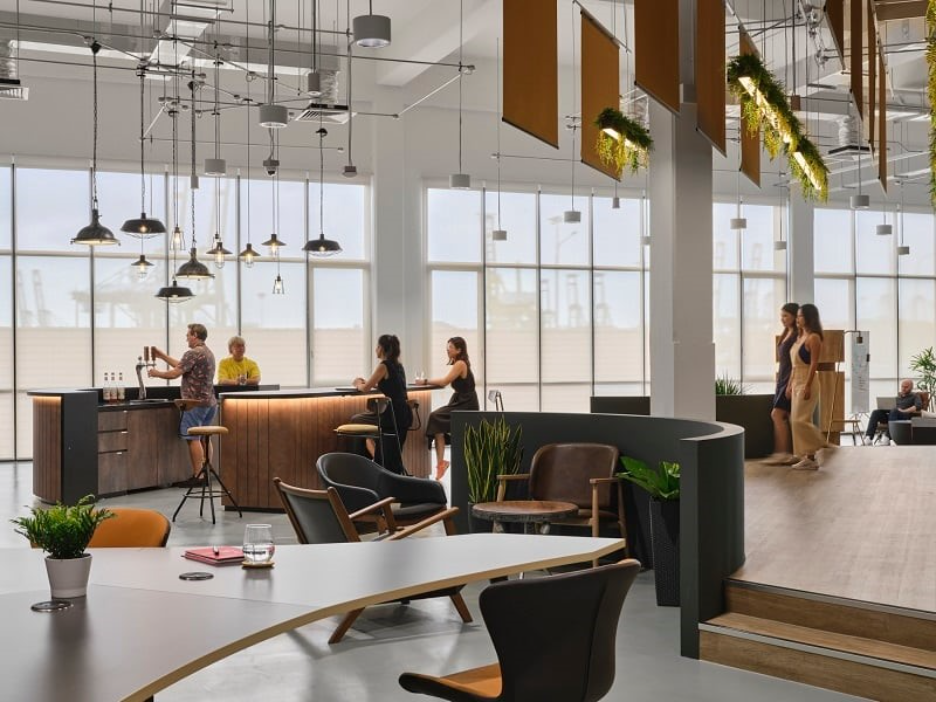 Full-height windows maximise natural light throughout the office
The definition of an office destination is becoming more fluid
In Singapore, the boundaries between office, retail and lifestyle environments are becoming less distinct. Deloitte’s planned relocation from its long-standing Shenton Way base to Orchard Central is one example. From 2027, the firm plans to occupy several upper floors of Orchard Central, a destination traditionally centred on retail.
Employees experience more than their immediate workplace. Their experience also includes the journey to work, the building, the neighbourhood and the retail, dining, hospitality and lifestyle amenities around them. This gives occupiers another factor to consider in workplace strategy, as the surrounding ecosystem can shape the workplace experience as much as the building specification.
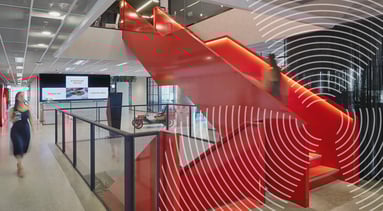
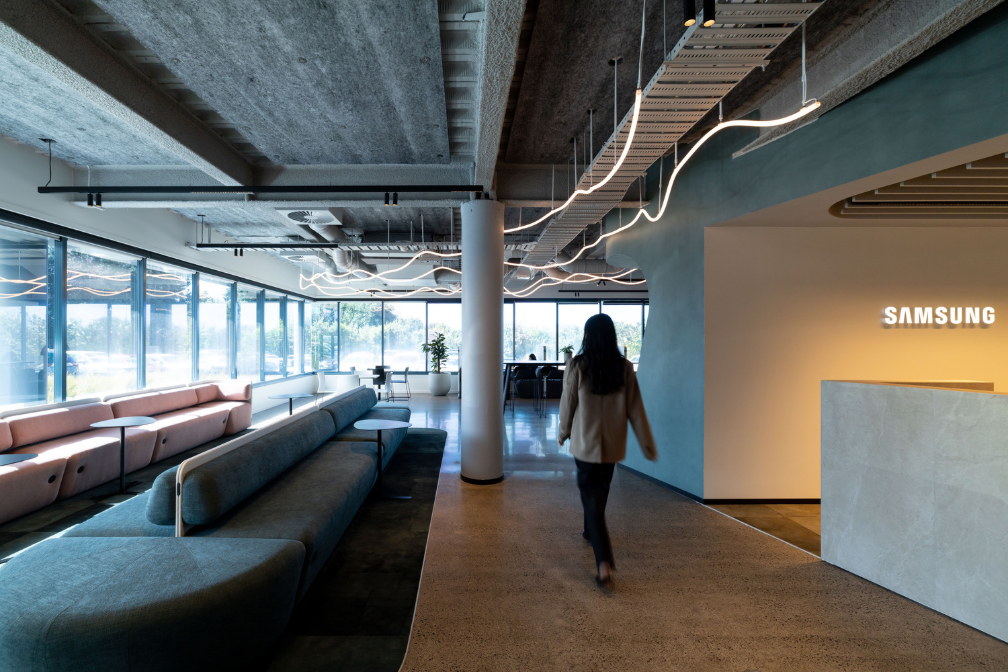 Exposed structure, generous ceiling height and full-height glazing give the workplace a strong sense of identity
Design can reveal a building’s potential before an occupier commits
We see design as part of the building selection process, rather than a step that follows it.
A test fit can show whether an unconventional floorplate supports the right balance of focus, collaboration and social spaces. A technical assessment can establish whether teams can upgrade the existing infrastructure, while workplace strategy can test whether the location supports the employee proposition.
Together, these assessments offer a different approach to real estate. They help us understand which buildings are worth pursuing and where design can add value early in the decision-making process.
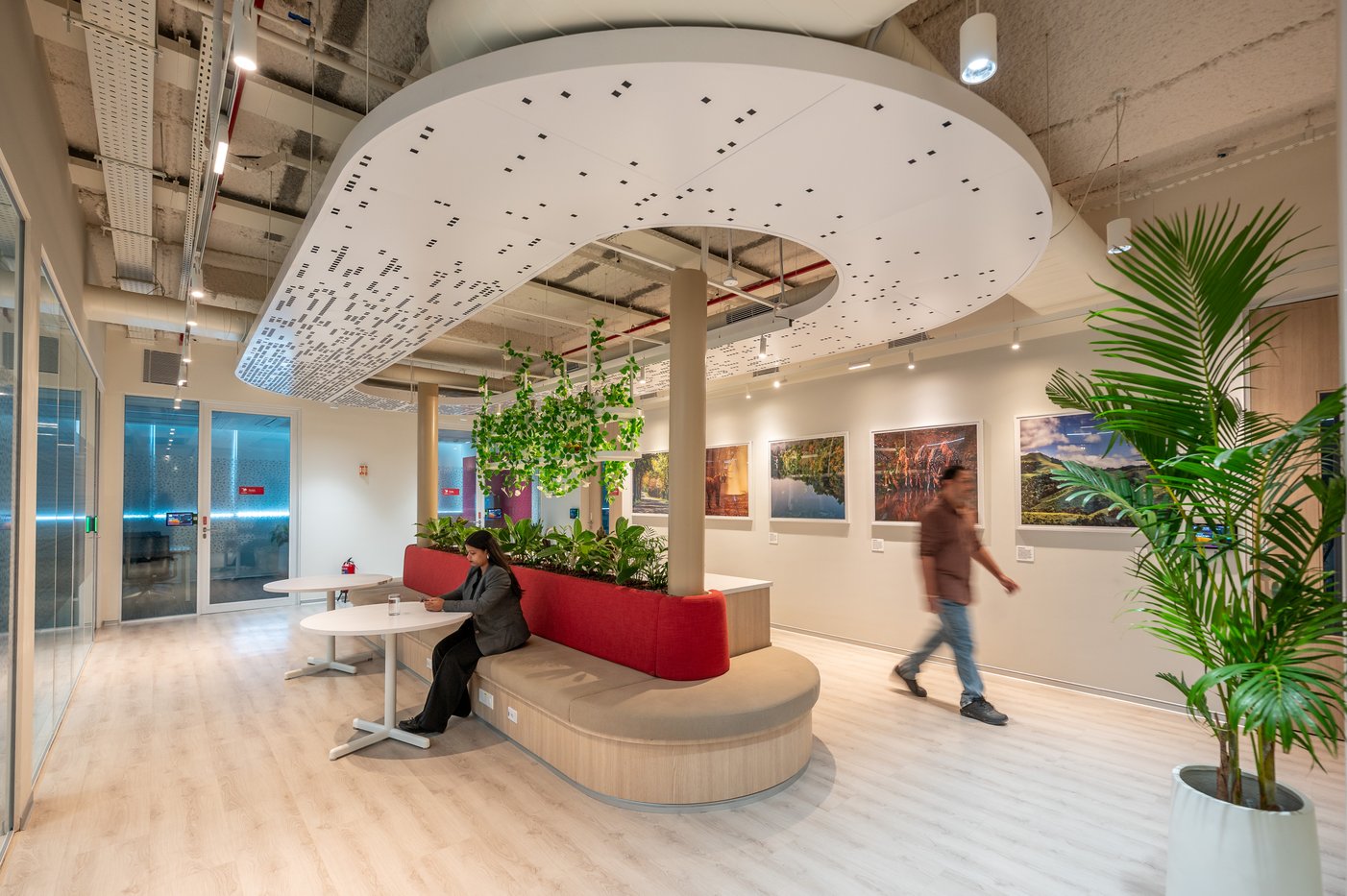
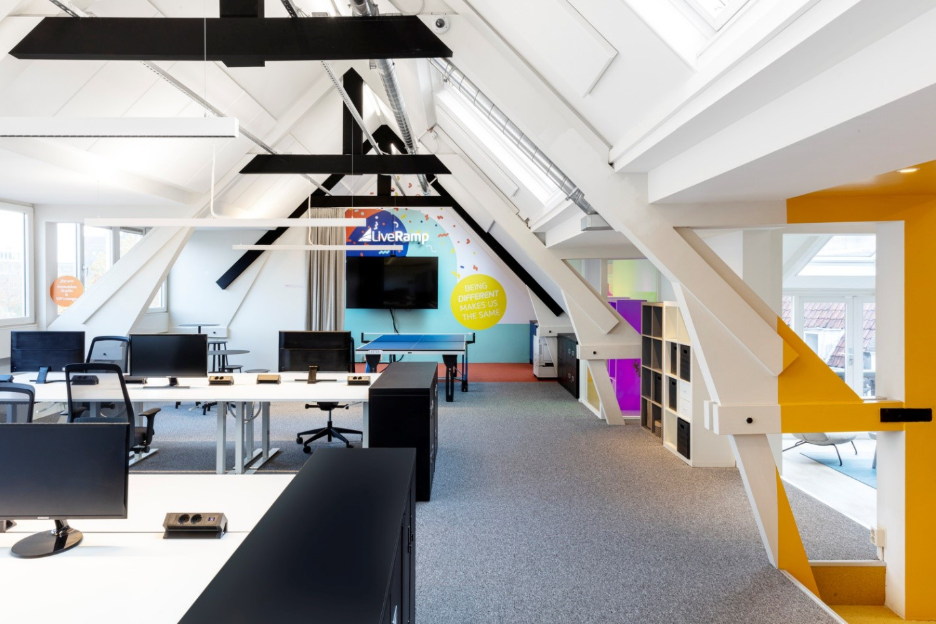 The design retains the existing pitched roof structure as a defining feature of the workplace
The flight to quality could become a flight to better workplace outcomes
The traditional flight to quality has focused on better buildings. The next evolution may focus on better workplace outcomes.
For some organisations, a premium CBD tower will remain the right choice. Others may find the right opportunity in a city-fringe commercial building, a converted industrial space or a workplace within a retail and lifestyle destination.
As Grade A supply tightens, occupiers have an opportunity to expand their search without accepting lower quality. A broader search can open up buildings that support the right experience, the right operational needs and the right location strategy.
The opportunity lies in identifying buildings with the right fundamentals, understanding their potential and creating an experience that supports the people and businesses using them.
About Jianhan Qiu, Principal, Strategy, Unispace SEA & NEA
Jianhan Qiu is Principal, Strategy, Unispace SEA & NEA. They lead the strategy and change management practice across the region, helping organisations align workplace decisions with business goals, employee experience and portfolio priorities. As a certified LUMA practitioner, Jianhan brings a human-centred design approach to workplace strategy and change.
Follow Jianhan Qiu on LinkedIn or connect with our Singapore studio.