As organisations place greater emphasis on employee wellbeing, workplace design is evolving to support healthier lifestyles. Active spaces, including fitness facilities, wellness rooms, flexible collaboration areas and movement-focused amenities, are becoming key components of modern workplaces.
Aligned with the WELL Building Standard’s Movement Concept, these spaces encourage physical activity throughout the workday, helping to improve health, reduce stress and enhance employee engagement.
Case Studies: Unispace in Action
HP Inc. Gurgaon, India
Flexible Workspaces Supporting Employee Wellness
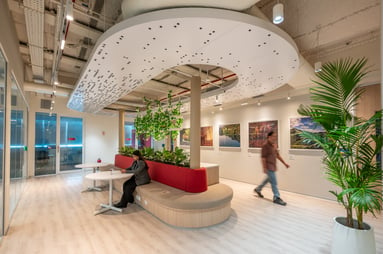
Unispace partnered with HP to create a hybrid workplace that prioritises flexibility, wellbeing and collaboration. The office incorporates activity-based work settings, quiet focus areas, social hubs and integrated wellness features that support various modes of work and encourage movement throughout the day. The project also achieved LEED Gold certification through the use of sustainable materials and energy-efficient design strategies.
Why It Supports Active Spaces
- Flexible work settings encourage movement throughout the day.
- A variety of work environments helps reduce sedentary behaviour.
- Biophilic elements and wellness-focused amenities support employee wellbeing.
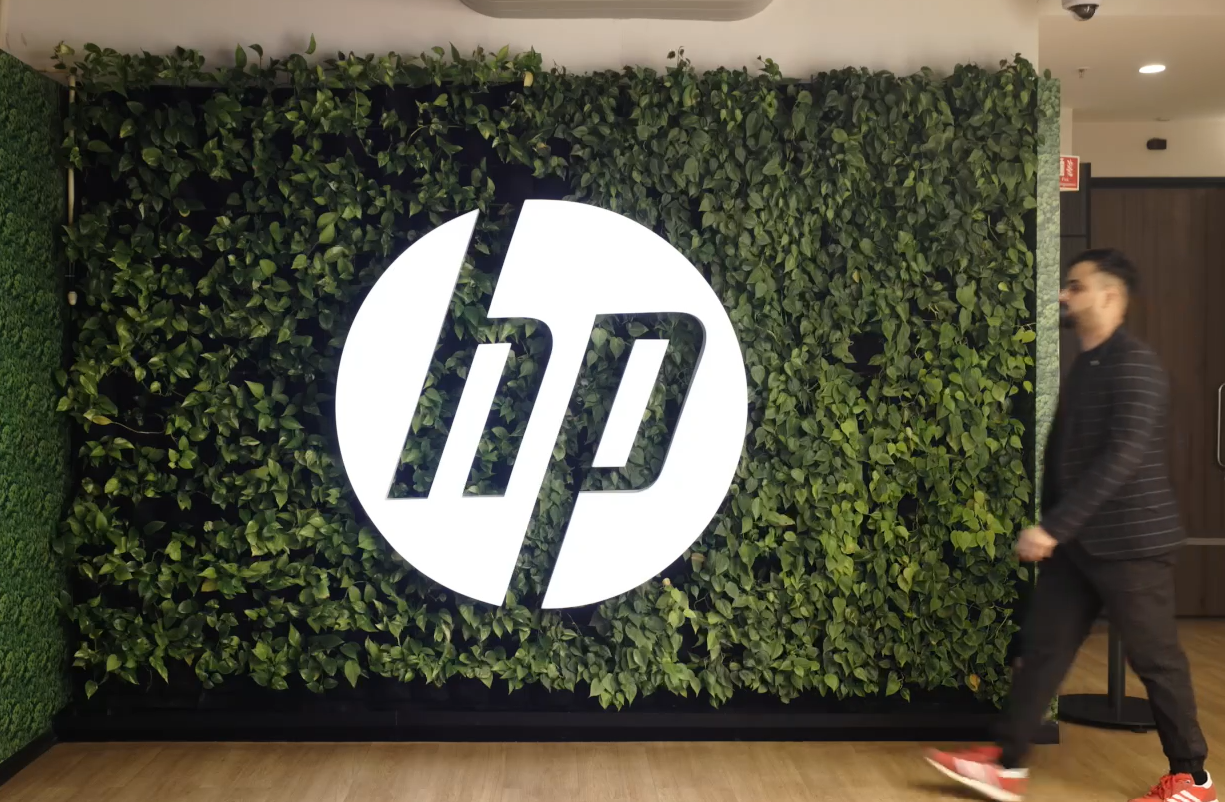
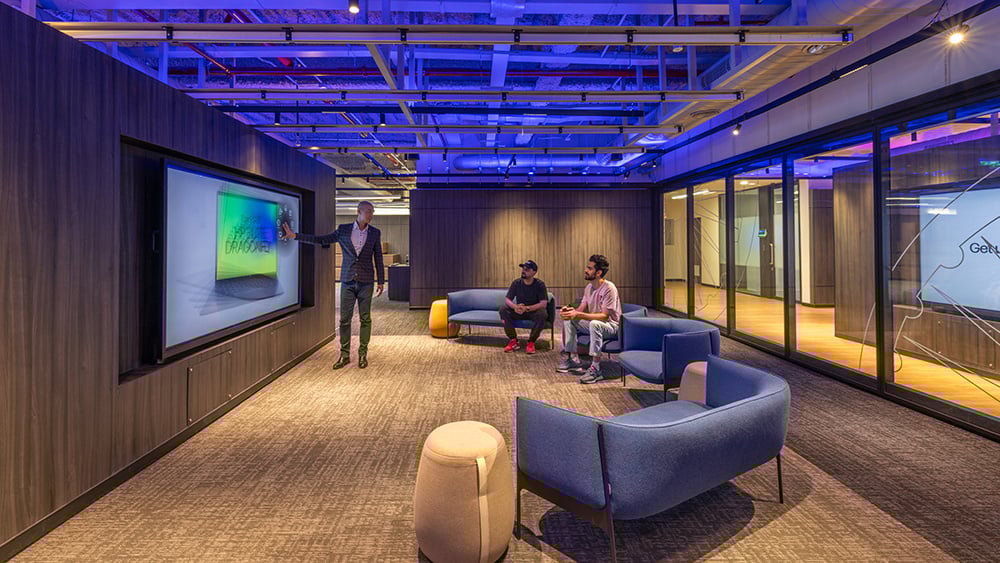
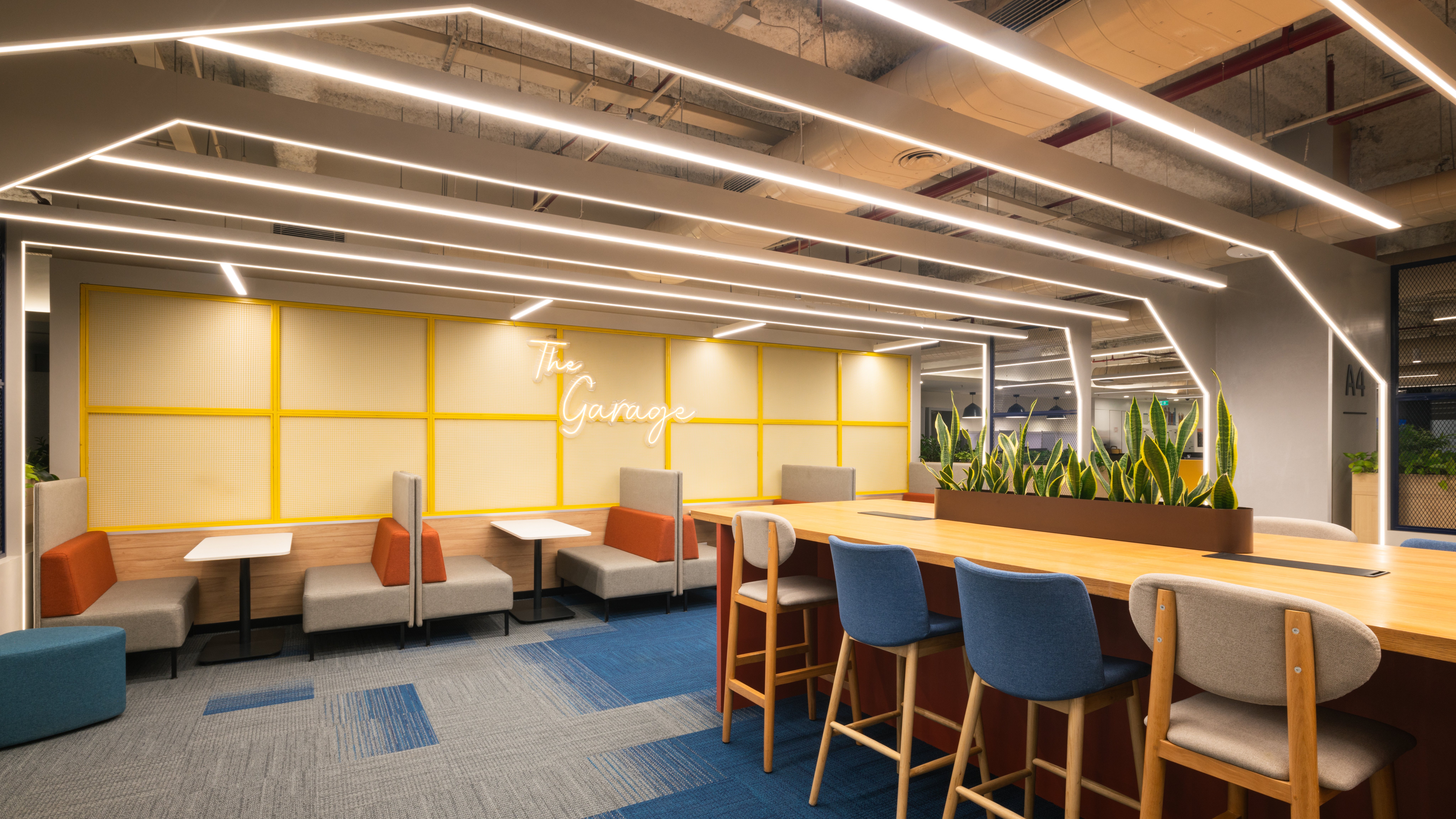 HP Inc. Gurgaon’s workplace combines flexibility, wellness, and sustainability, encouraging employees to move, collaborate, and connect throughout the day.
VaynerMedia Asia Pacific Headquarters, Singapore
Creating a Destination Workplace
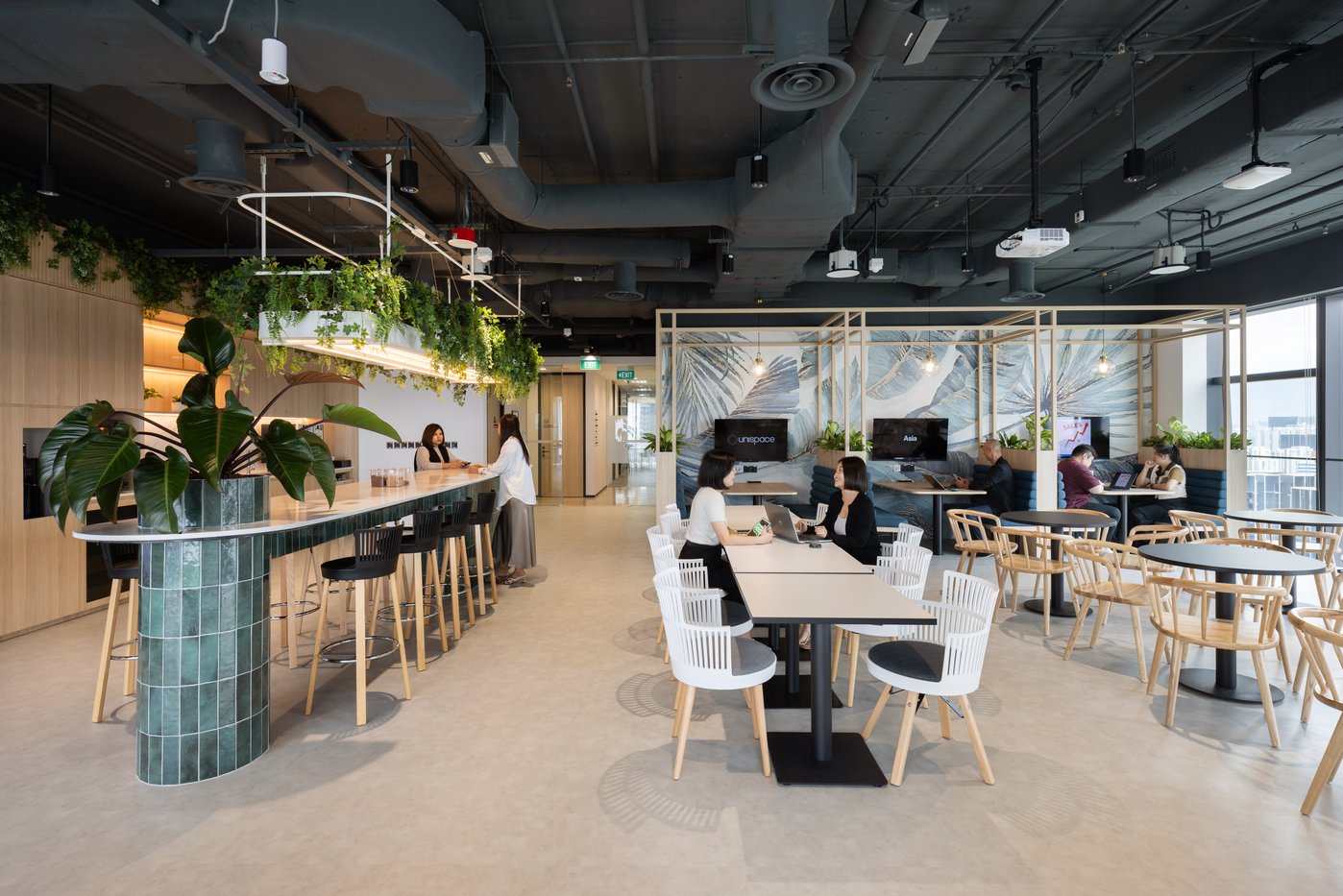
Designed and delivered by Unispace, VaynerMedia’s 12,000 sq ft Asia-Pacific headquarters features a highly flexible environment centred around “The Stage”, a multifunctional space that transforms from a collaborative workspace into an event venue. The office includes a creative studio, informal meeting spaces, breakout zones and activity-based work settings designed to promote engagement, movement and interaction.
Why It Supports Active Spaces
- Multifunctional areas encourage employees to move between different settings.
- Open, collaborative environments reduce reliance on fixed desks.
- Flexible spaces support workshops, wellness events and social activities.
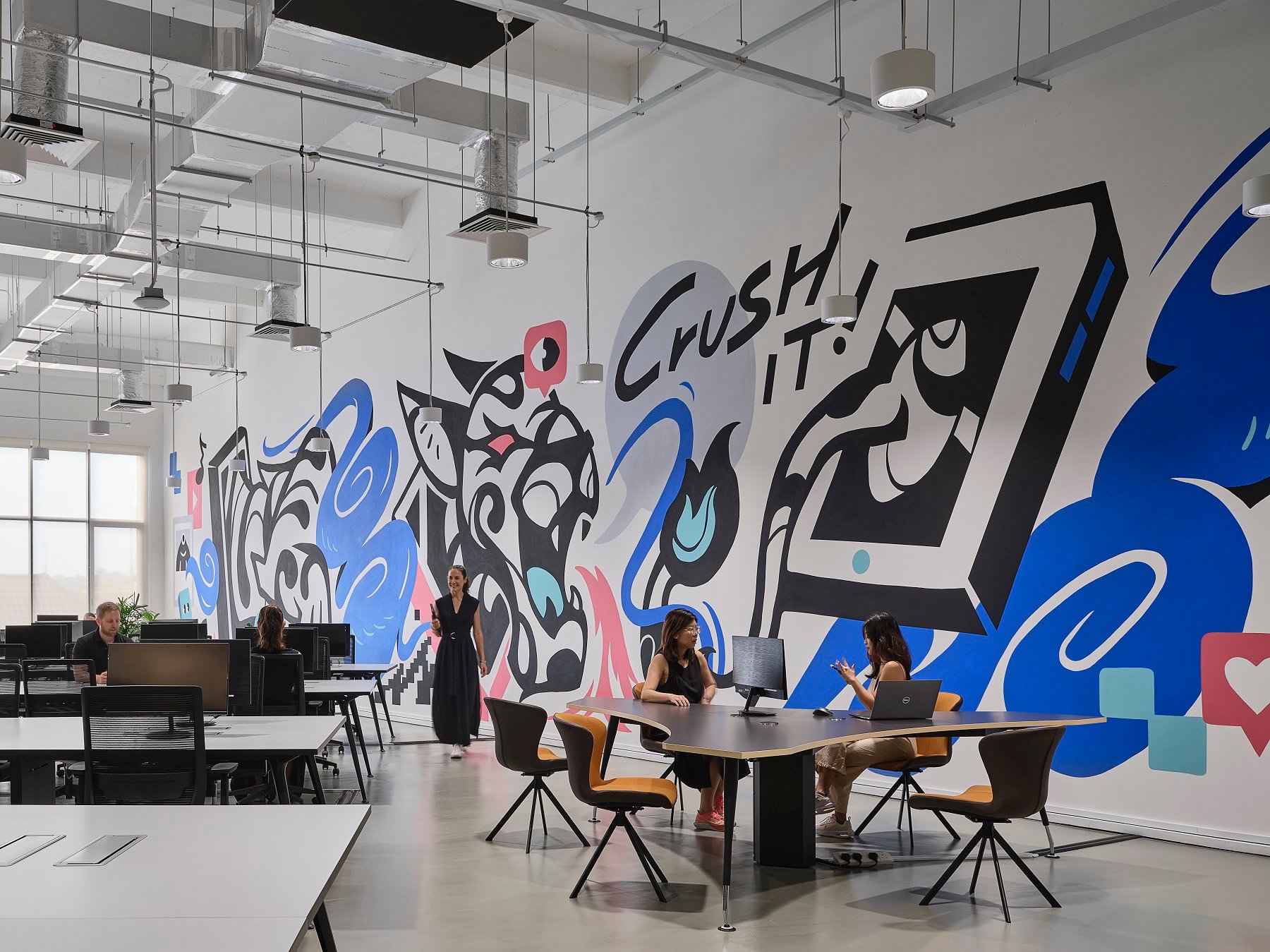
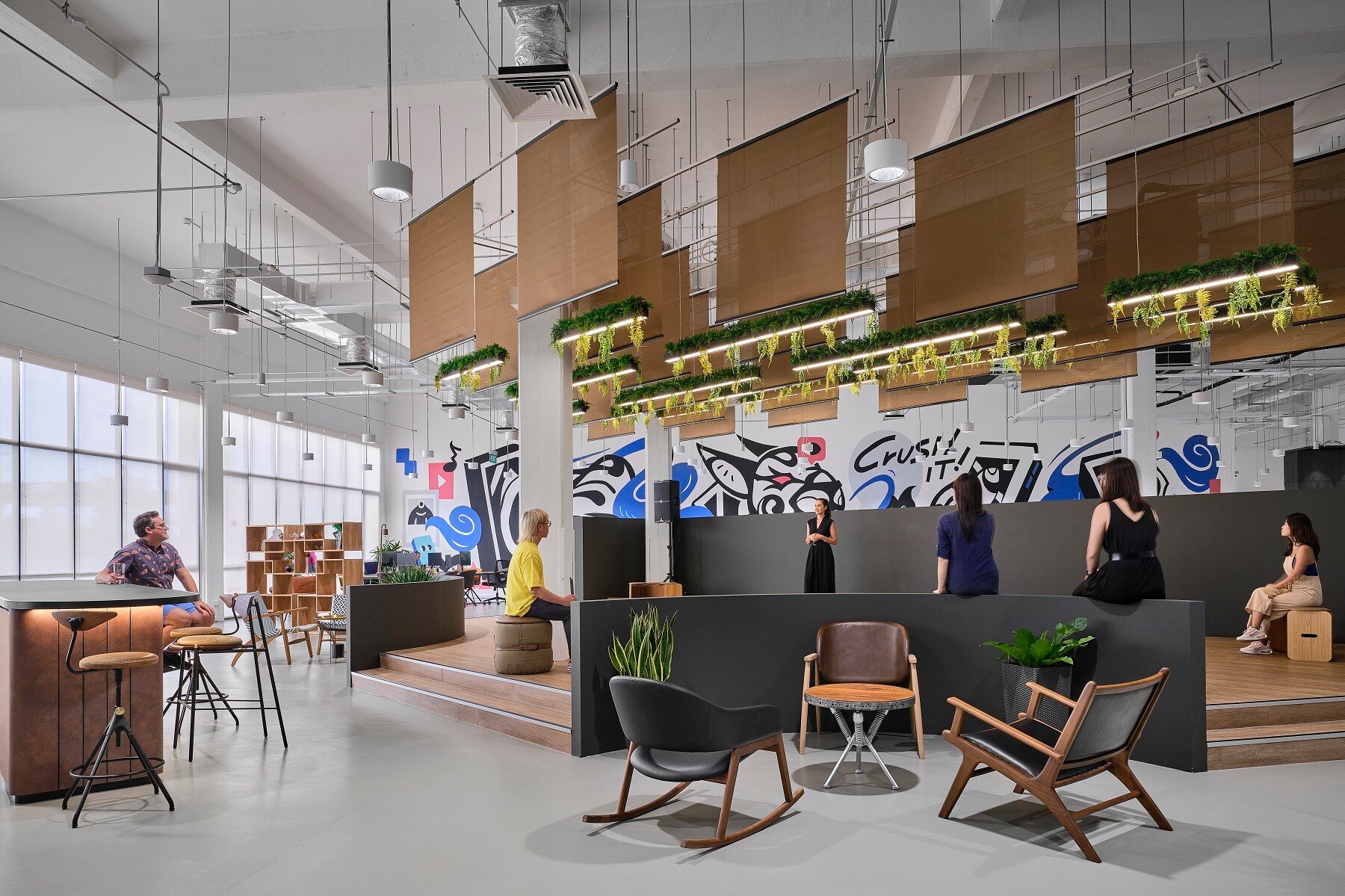 “The Stage” at VaynerMedia Singapore serves as a dynamic hub for collaboration, events and community building, encouraging active participation in the workplace.
Confidential Client, Hong Kong
Wellness Through Collaboration and Human-Centred Design Well
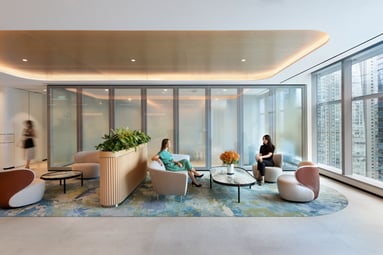
To accommodate regional growth, an insurance company partnered with Unispace to create a workplace that fosters collaboration, productivity and employee wellbeing. The design maximises views of Victoria Harbour and incorporates welcoming communal areas that bring people together. Shared spaces, such as the pantry and boardroom, were strategically positioned to encourage interaction and movement throughout the workplace.
Wellness Through Collaboration and Human-Centred Design Well
- Central collaboration hubs encourage movement throughout the day.
- Social spaces promote connection and support employee wellbeing.
- Human-centred workplace planning encourages healthier work habits.
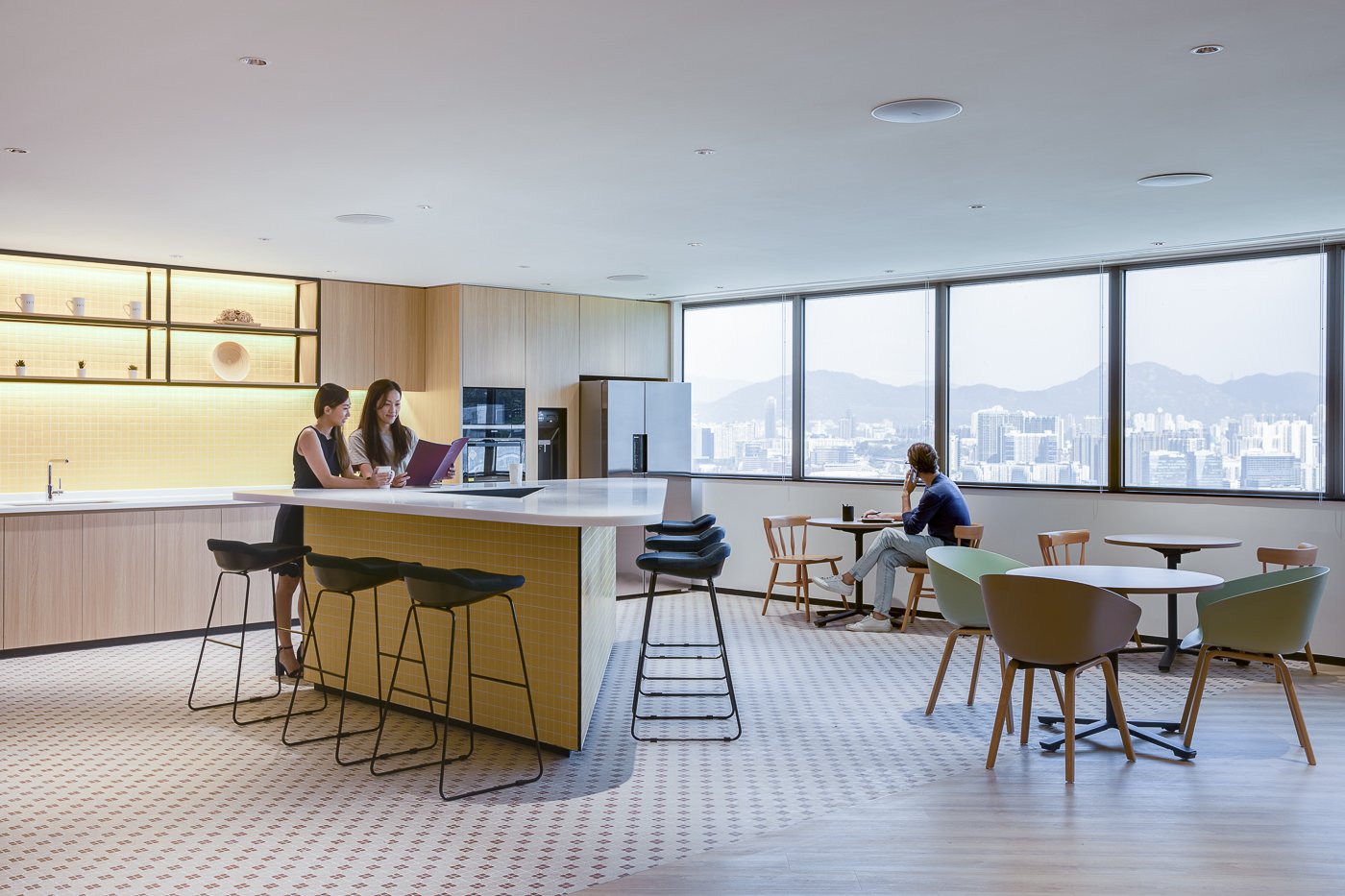
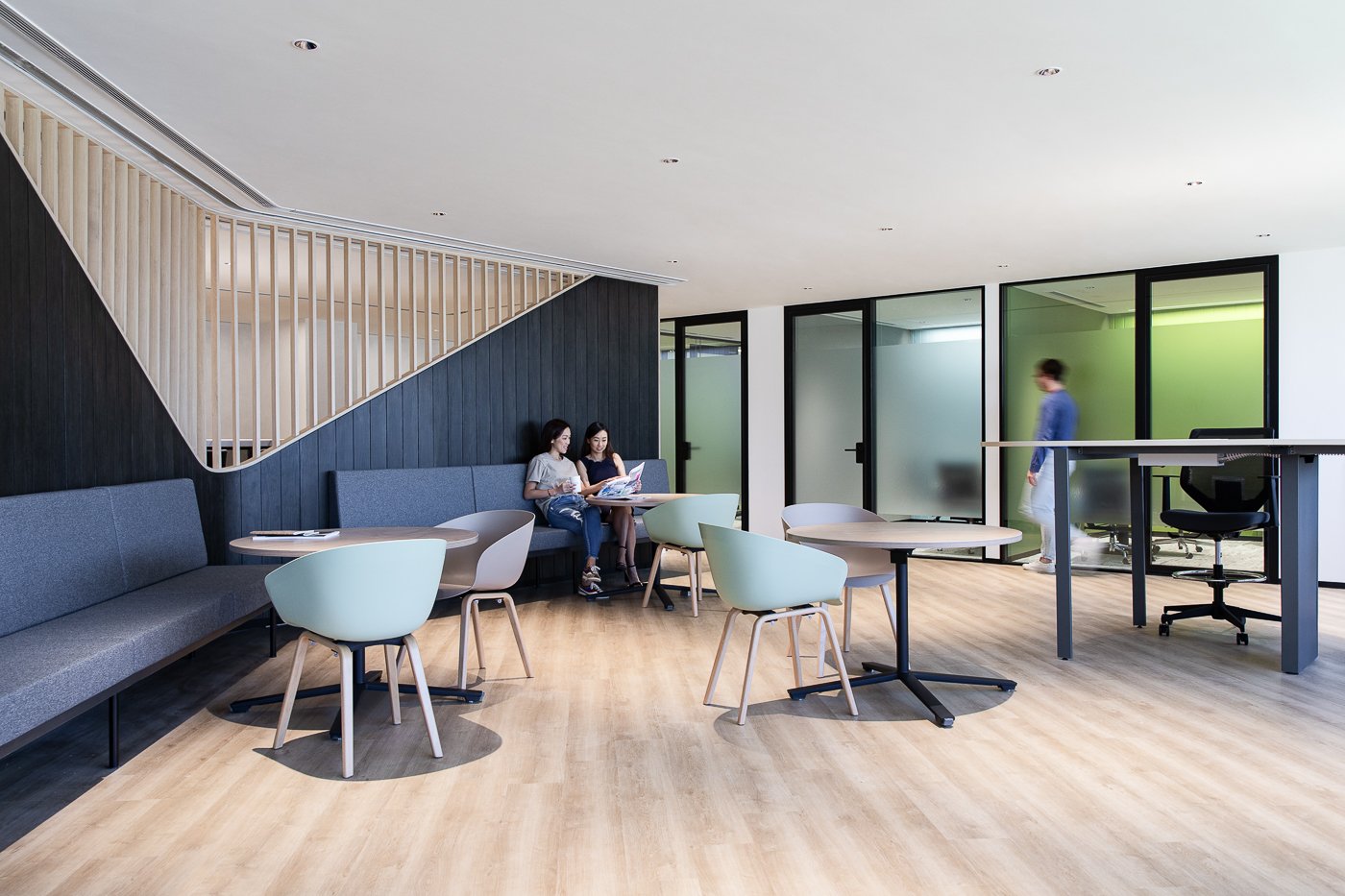 Shared social spaces and panoramic harbour views create an engaging environment that encourages movement, wellbeing and collaboration.
How AI Is Helping Create Smarter Active Spaces
As workplace wellness continues to evolve, artificial intelligence (AI) is becoming a valuable tool for designing and managing active spaces.
AI can:
- Analyse workplace utilisation and identify opportunities for wellness amenities.
- Optimise the scheduling and use of fitness and wellness spaces.
- Monitor occupancy levels to improve the employee experience.
- Track employee engagement with wellness programmes.
- Support smart building systems that enhance air quality, lighting and thermal comfort.
By combining active design principles, the WELL Building Standard and AI-powered insights, organisations can create workplaces that not only support business performance but also enable employees to lead healthier, more active lives.
Closing Thought
Active spaces are no longer viewed as workplace luxuries. They are becoming essential components of healthy, future-ready workplaces. Through thoughtful design, wellness-focused amenities and emerging technologies, organisations can create environments that support physical health, mental wellbeing and a stronger sense of community.
At Unispace, we believe great workplaces empower people to thrive, move, connect and perform at their best every day.
About Cheryl Martirez

Cheryl Martirez joined Unispace as an Associate, Design, based in Hong Kong. She holds a Master’s in Design, specializing in Design Management & Practice and Sustainability in Interior Design, from The University of New South Wales, Australia.
A LEED and WELL-certified professional interior designer, Cheryl is also a certified ESG planner, bringing a strong sustainability focus to her design approach.