As sustainability continues to shape workplace design globally, water efficiency has emerged as a critical pillar of environmental stewardship. The LEED Water Efficiency criteria guide organizations to reduce potable water use, encourage responsible landscaping, and integrate innovative technologies that conserve one of our most precious resources. For Unispace, this means creating workplaces that not only minimize environmental impact but also support long-term operational resilience.
Why Water Efficiency Matters
Water scarcity is a growing global challenge, with urban centres facing increasing demand and climate pressures. In workplace design, inefficient water systems can lead to higher operating costs, resource strain, and reduced resilience. By aligning with LEED’s Water Efficiency credits, Unispace projects contribute to:
- Reduced potable water consumption through low-flow fixtures and fittings.
- Employee wellbeing, by ensuring reliable access to clean water and sustainable amenities
LEED Water Efficiency Criteria
LEED emphasizes several key areas of water stewardship:
- Indoor Water Use Reduction (WE Credit): Encourages installation of low-flow toilets, faucets, and showers to cut potable water use.
- Outdoor Water Use Reduction (WE Credit): Promotes efficient landscaping and irrigation practices, including native planting and drip systems.
- Cooling Tower Water Use (WE Credit): Rewards projects that optimize cooling tower operations to reduce water waste.
- Water Metering (WE Prerequisite): Requires permanent meters to track consumption and identify opportunities for improvement.
Together, these measures ensure workplaces are designed with long-term efficiency and accountability in mind.
Case Studies: Unispace in Action
Confidential Financial Client, Singapore
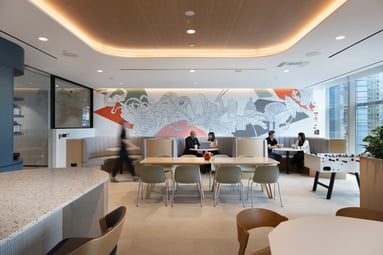
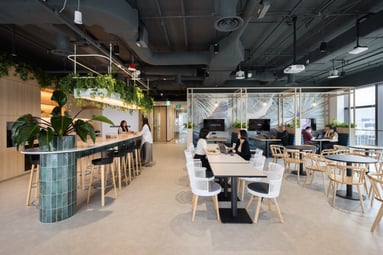
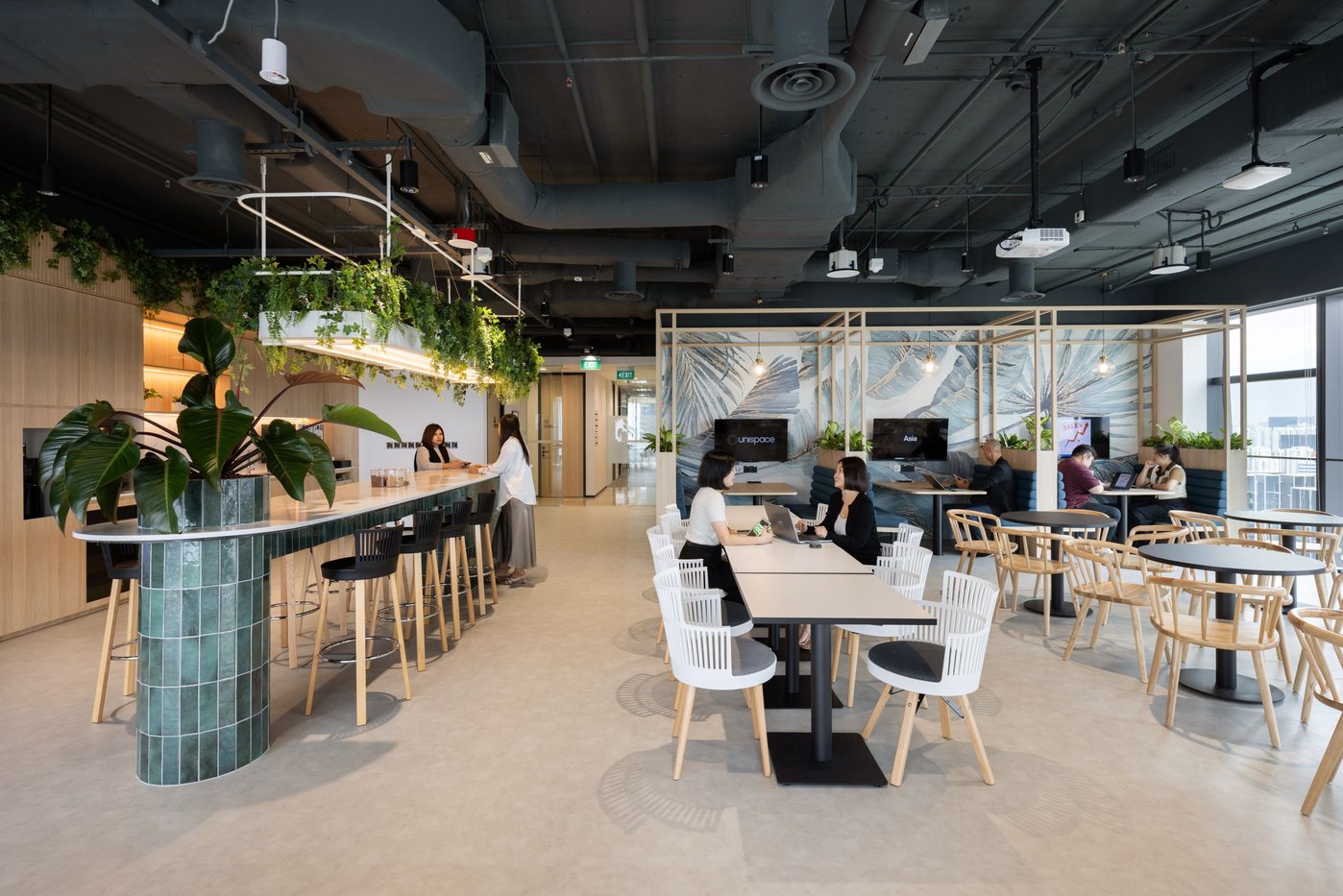
Unispace partnered with a leading financial institution in Singapore to deliver a workplace transformation that prioritized sustainability and employee wellbeing. A key focus was on water efficiency, where the design integrated advanced fixtures and appliances to reduce potable water consumption. Low-flow taps, water-efficient appliances and sensor-based fittings were strategically installed across the office, ensuring that water use was minimized without compromising user comfort. These measures aligned directly with LEED Water Efficiency credits, helping the client achieve measurable reductions in operational costs while reinforcing their ESG commitments.
Beyond the technical installations, the project emphasized behavioural ease and long-term resilience. By embedding water-saving technologies into everyday touchpoints—such as restrooms, pantries, and collaborative spaces—the design encouraged sustainable practices among employees without requiring conscious effort. The seamless integration of these systems demonstrated how Unispace approach to workplace design can balance functionality, sustainability, and user experience, making water stewardship a natural part of daily operations.
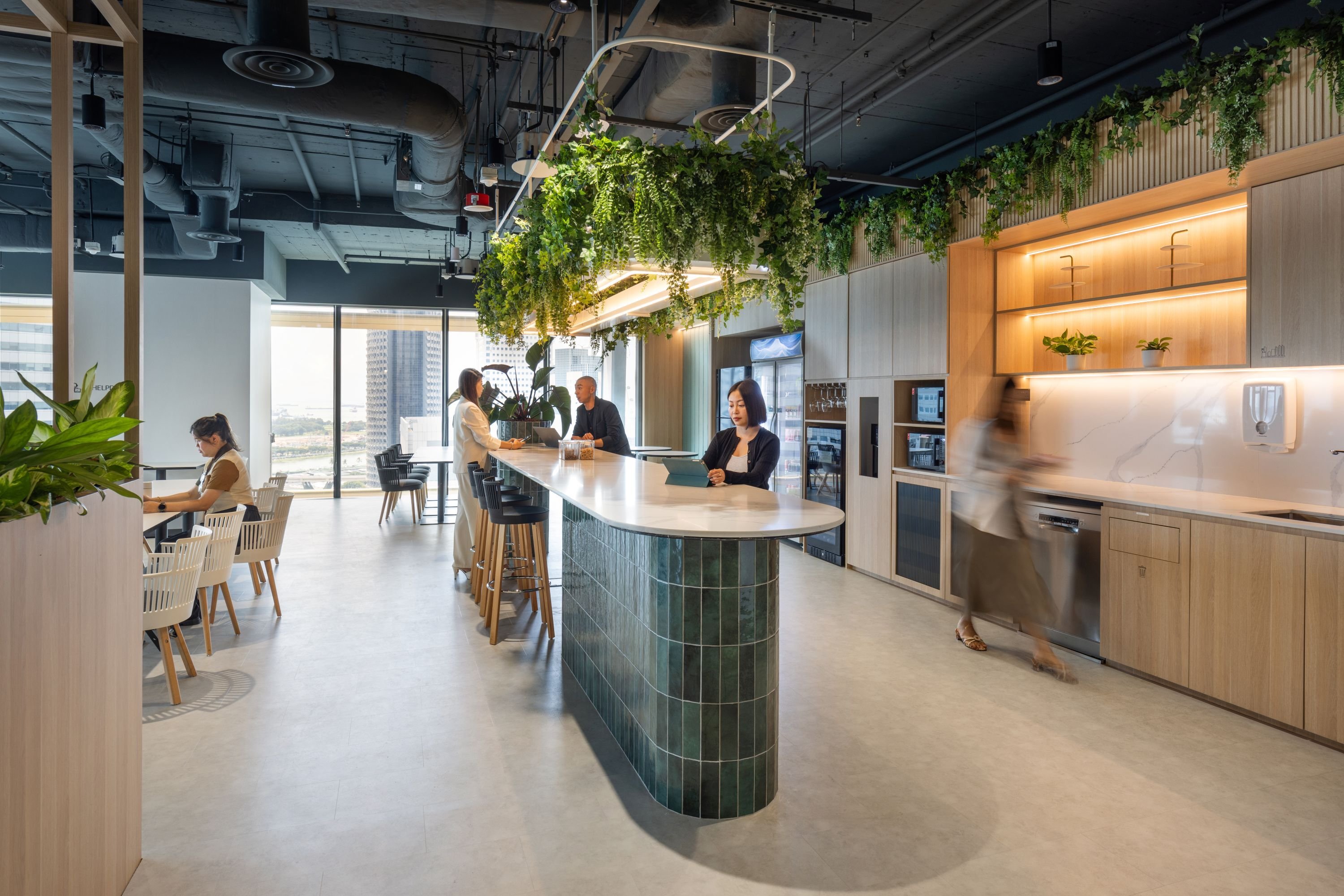 Smart fixtures, smarter savings: A workplace where every drop counts
Meridian Energy HQ, Wellington
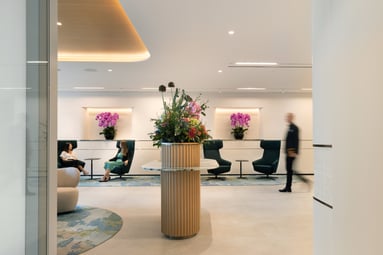
For Meridian Energy’s headquarters in Wellington, Unispace took a holistic approach to sustainability, extending beyond fixtures to the very materials used in construction and finishes. The design team carefully selected building materials that inherently conserve water use, both in their production and in their long-term maintenance. Durable surfaces and finishes were chosen to reduce the need for frequent cleaning, while low-maintenance materials minimized water-intensive upkeep. This strategy not only reduced the building’s overall water footprint but also aligned with Meridian’s vision of environmental responsibility and operational efficiency.
The project also highlighted how material choices can complement water efficiency strategies. By prioritizing products with lower embodied water and reduced lifecycle demands, Unispace demonstrated that water stewardship is not limited to plumbing systems—it can be embedded in every design decision. The result was a workplace that reflects Meridian’s commitment to sustainability, while also setting a precedent for how organizations can integrate water-conscious materials into their broader ESG frameworks. This case illustrates the power of combining design innovation with resource conservation, ensuring that every aspect of the workplace contributes to a greener future.
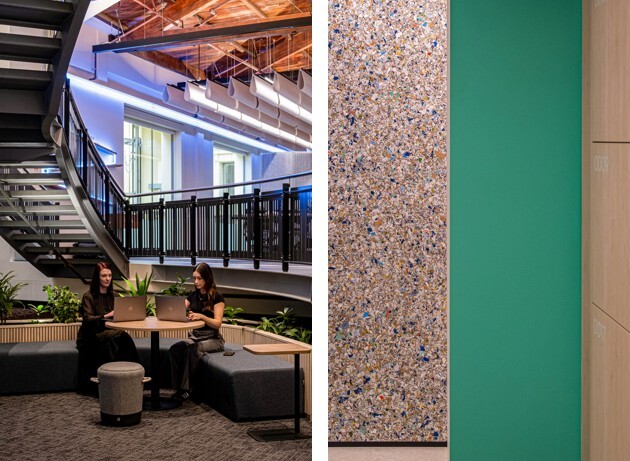 Sustainable materials, lasting impact: Building design that conserves water from the ground up
Looking Ahead: Unispace’ Commitment
At Unispace, we champion water efficiency as part of our holistic sustainability vision. By rigorously applying LEED Water Efficiency criteria, we create workplaces that are resilient, responsible, and future-ready. Every drop saved is a step toward a more sustainable world of work.
Inspired by the LEED Building Standard’s water efficiency category. Learn more about how we’re shaping the future of work through thoughtful design.
About Cheryl Martirez

Cheryl Martirez joined Unispace as an Associate, Design, based in Hong Kong. She holds a Master’s in Design, specializing in Design Management & Practice and Sustainability in Interior Design, from The University of New South Wales, Australia.
A LEED and WELL-certified professional interior designer, Cheryl is also a certified ESG planner, bringing a strong sustainability focus to her design approach.