On Earth Day 2026, Unispace teams came together around a simple idea: waste isn’t just something we deal with at the end of a project — it’s something we create, or prevent, from the very beginning. Led by Cheryl Martirez, LEED AP, WELL AP and ESG-certified from our Hong Kong studio, alongside Affshan Kaur Sidhu, LEED GA, WELL AP and RESET Air AP-certified from our Bangalore studio, the conversation cut through the noise with a clear message: the decisions we make as designers directly shape environmental outcomes.
The scale of the issue is hard to ignore. Over 2 billion tonnes of waste are generated globally each year, and our industry is a major contributor. In many cities, construction and demolition make up as much as two-fifths of landfill. That’s not a downstream problem. That’s a design problem.
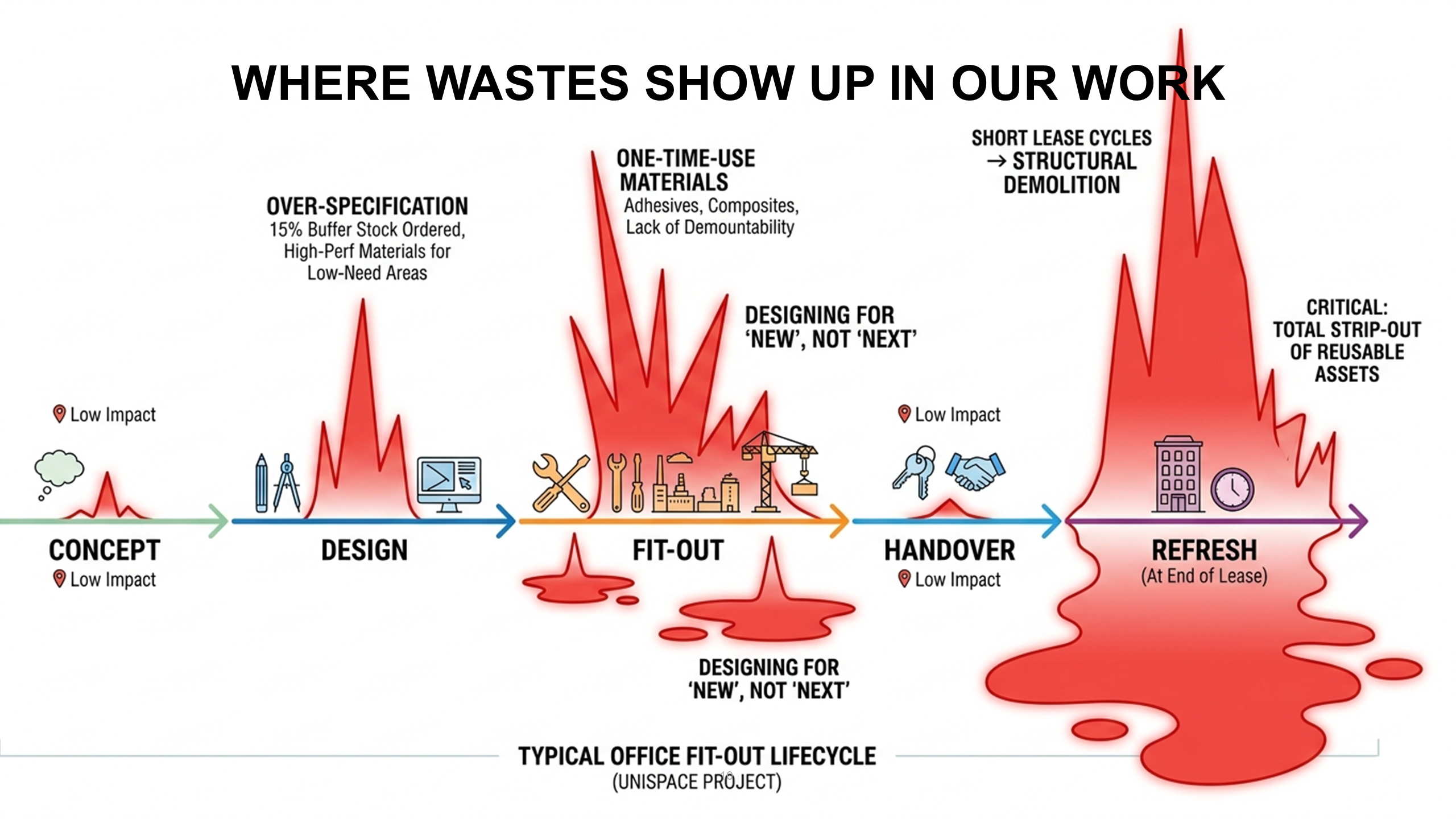
Every project carries hidden waste. It shows up in over-specification, packaging, offcuts, inefficient installs, and end-of-lease strip-outs. Materials we carefully select — from finishes to furniture — often have short lifespans and predictable endings. Reuse, recycle, landfill. The outcome is largely decided long before a space is built.
That’s the shift: design decides the bin.
Reducing waste doesn’t require sweeping change — it requires sharper intent. Designing for disassembly instead of demolition. Asking earlier what happens at end of life. Choosing reuse as a starting point, not a compromise. Specifying materials that are simpler, fewer, and built to last. These aren’t radical moves — but applied consistently, they add up fast.
The context may differ globally, but the responsibility doesn’t. Whether navigating informal recycling systems in India, landfill pressures in Hong Kong, or circularity frameworks in Singapore, the challenge is shared — and so is the opportunity to respond differently.
This isn’t just about projects. It’s about mindset. Awareness over perfection. Making better calls, more often — as designers, and as individuals. Because the same thinking that reduces waste on site can shape how we consume, specify, and operate every day.
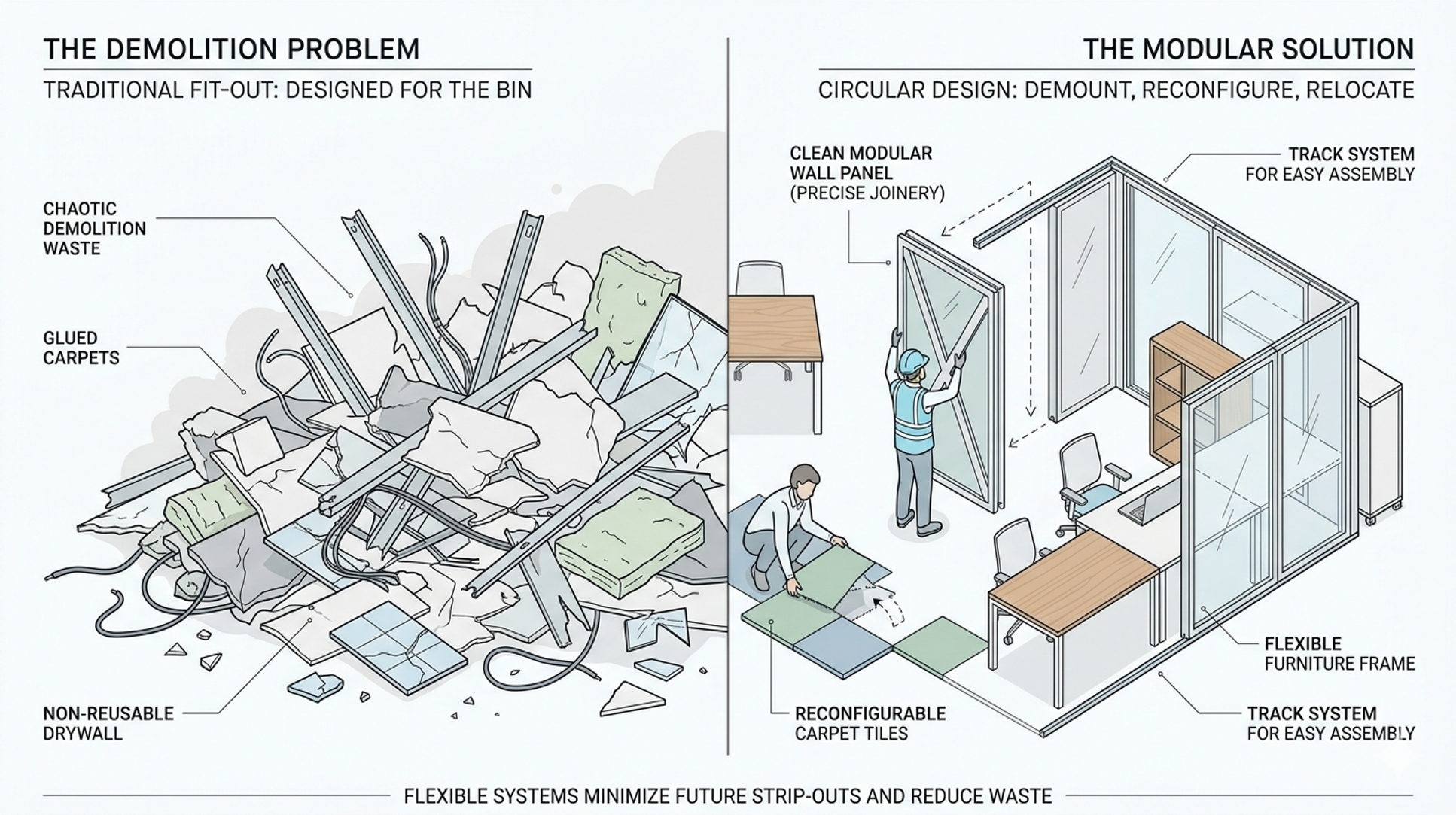
The good news is we’re not starting from zero. The industry is shifting — from material innovation to furniture take-back schemes — and clients are paying attention. The question isn’t whether change is happening. It’s whether we embed it into every project, not just the standout ones.
At Unispace, we sit at a critical point of influence. Early conversations, design intent, supplier choices — these are levers that matter. And when used well, they don’t just reduce waste. They redefine what good design looks like.
Because the future of design isn’t just about what we create. It’s about what we choose not to.
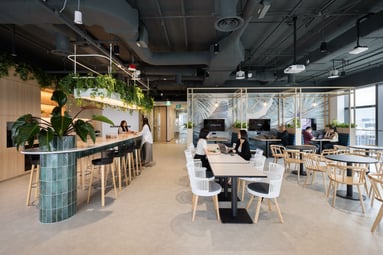
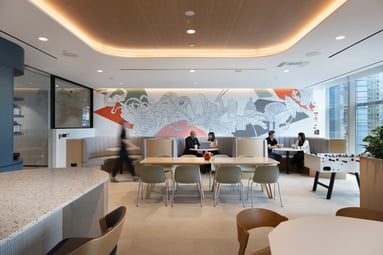
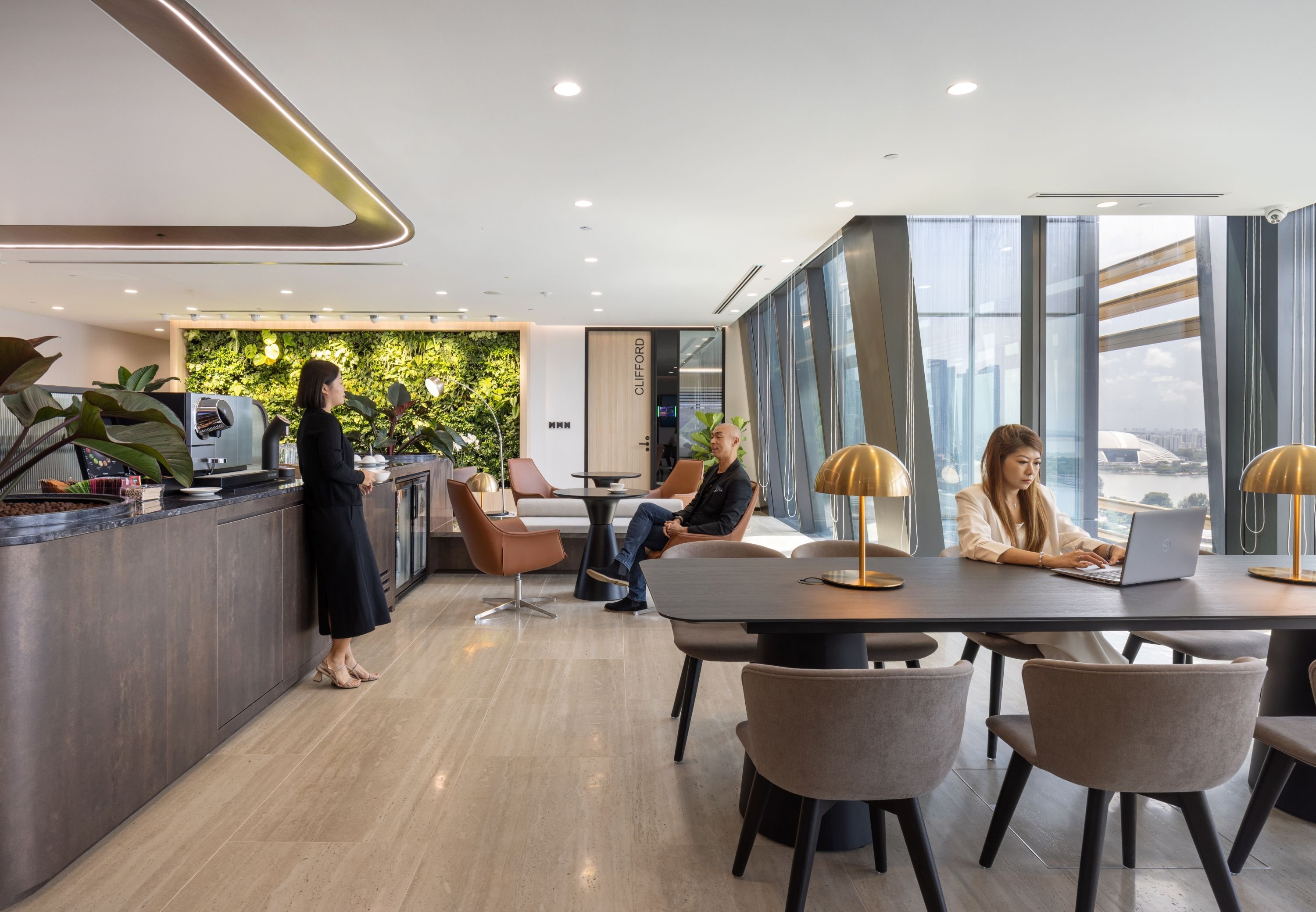 A Singapore-based Financial Institution prioritised reusable furniture from the design stage.
About Cheryl Martirez

Cheryl Martirez joined Unispace as an Associate, Design, based in Hong Kong. She holds a Master Degree in Design, specializing in Design Management & Practice and Sustainability in Interior Design, from The University of New South Wales, Australia.
A LEED AP and WELL AP-certified professional interior designer, Cheryl is also a certified ESG planner, bringing a strong sustainability focus to her design approach.
About Affshan Kaur Sidhu

Affshan Kaur Sidhu joined Unispace as a Senior Associate, Design, based in Bangalore. She holds a Bachelor Degree in Architecture from Amity School of Architecture and Planning.
LEED GA, WELL AP and RESET Air AP certified, Affshan brings a strong focus on sustainable and wellness-led workplace design.